





Biofuel
Biofuel is produced from biomass resources to make liquid fuels like ethanol, methanol, and biodiesel, and gaseous fuels such as hydrogen and methane (see Biogas). Biofuels are primarily used to fuel transportation vehicles, but they can also fuel engines or fuel cells for electricity generation.
Biofuel level applications
- FERMENTATION: In ethanol production, fermentation provides a series of chemical reactions that convert sugars to ethanol. Ethanol and carbon dioxide are produced as the sugar is consumed by yeast or bacteria. Level control of the fermentation tank must tolerate agitation, aeration, and the presence of froth or foam.
- REACTOR TANK: Biodiesel and cellulosic ethanol production use reactors for chemical addition and mixing. In a Continuous Stirred-Tank Reactor one or more fluid reagents are introduced into a tank reactor equipped with an impeller that stirs the reagents to ensure proper mixing. The reactor tank requires level monitoring and alarms.
- REAGENT TANK: A reagent is a compound that is added to a system in order to bring about a chemical reaction. In biodiesel production, an alkali reagent is used in titration, a test used to determine how much catalyst is needed to achieve a reaction. Reagents are stored in tanks equipped with level controls.
- SUMPS: Liquids are collected in sumps and pits during hydrolyzation, fermentation, distillation and glucose processing of biofuels. As the liquid level rises or falls in a sump, a level switch can actuate or deactuate a pump or activate an overfill alarm.
- LIQUID STORAGE: A wide array of liquids are stored at biofuel plants including water, biodiesel, methanol, ethylene, catalysts, and waste liquids. Level instruments monitor inventory levels and protect against overfills and underfills that cavitate pumps.
Related products
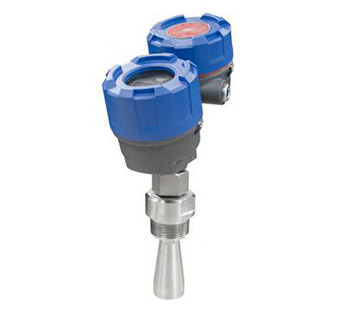
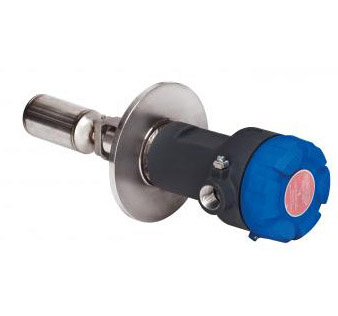
Other applications
Do you want personal advice for your specific control process?
Contact your local AMETEK Level Measurement Solutions representative!
Find my local representativeRelated articles

October 1, 2026
Flow Technology Joins AMETEK Level Measurement Solutions

October 15, 2025
AMETEK Magnetrol USA LLC Appoints TechStar LLC as Exclusive Channel Partner for Oklahoma

March 28, 2025
New Partnership Serving The U.S. Midwest Region

March 10, 2025
The New Old-Fashioned: Enhancing Traditional Level Measurement Techniques

February 24, 2025
Cut Monitor Technologies and Factors that Affect Their Performance

February 12, 2025
Plugged Chute Detection

January 20, 2025
Why Drexelbrook's Level Technology Stands Out Universally

November 7, 2024
BrightTEK™ – Transforming Remote Monitoring and Industrial Efficiency

October 23, 2024
Maximize ROI with Drexelbrook® branded Water Cut Meters: An Investment That Pays Off

October 10, 2024