





Gas Dehydration
Natural gas dehydration removes hydrates which can grow as crystals and plug lines and retard the flow of gaseous hydrocarbon streams. Dehydration also reduces corrosion, eliminates foaming, and prevents problems with catalysts downstream. Natural gas is dehydrated according to the customer’s specifications for maximum water content.
Challenge
The most common dehydration method is the absorption of water vapor in the liquid desiccant Triethylene Glycol (TEG). The withdrawal of the water rich glycol from the bottom of the absorber is facilitated by a level control. High and low level shut down can be applied to the reboiler, surge tank and flash separator.

Related products
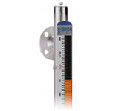
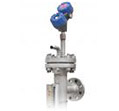
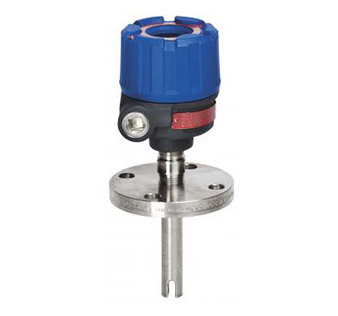
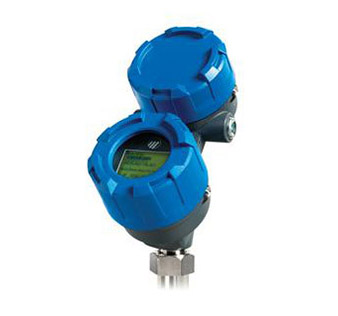
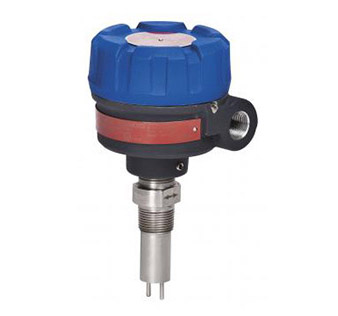
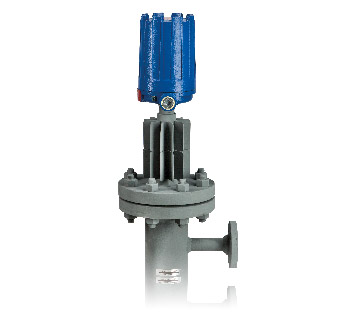

Other applications
-
Chemical injection skids
Chemical agents employed in field processing include drilling fluid additives, methanol injection for reservoir stimulation, glycol injection for hydrate inhibition, produced water treatment chemicals, foam and corrosion inhibitors, de-emulsifiers, desalting chemicals and drag reduction agents (DRAs).
Do you want personal advice for your specific control process?
Contact your local AMETEK Level Measurement Solutions representative!
Find my local representativeRelated articles

AMETEK Magnetrol USA LLC Appoints TechStar LLC as Exclusive Channel Partner for Oklahoma

New Partnership Serving The U.S. Midwest Region

The New Old-Fashioned: Enhancing Traditional Level Measurement Techniques

Cut Monitor Technologies and Factors that Affect Their Performance

Plugged Chute Detection

Why Drexelbrook's Level Technology Stands Out Universally

BrightTEK™ – Transforming Remote Monitoring and Industrial Efficiency

Maximize ROI with Drexelbrook® branded Water Cut Meters: An Investment That Pays Off

Why Mechanical Instruments Remain Essential for Industrial Level Measurement

Case Study: Not All Guided Wave Radar Transmitters are Created Equal